Dosage & calculations
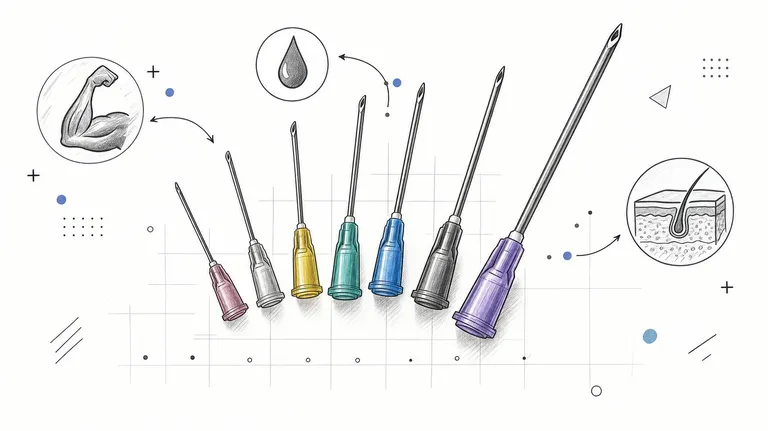
Injection Needle Size Chart Guide for Safe Dosing
Complete injection needle size chart covering gauges, lengths, IM vs SC vs ID uses and peptide tips. Find the right needle fast with charts and examples.
Blog
Explore practical guides to peptide tracking, reconstitution, and dosing concepts, alongside tips for making your routine easier to follow with PepFlow.
224 articles · Page 7 of 19
Complete injection needle size chart covering gauges, lengths, IM vs SC vs ID uses and peptide tips. Find the right needle fast with charts and examples.

Learn why adherence to schedule matters for peptide protocols and how PepFlow helps you stay consistent with reminders, logs, and routines.
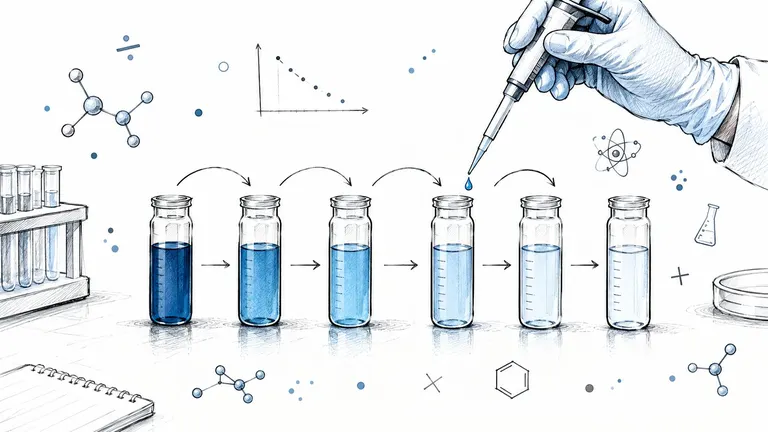
Master the dilution process. Our guide covers C1V1=C2V2 math, worked examples, safety tips, & how to ensure accurate peptide dosing.
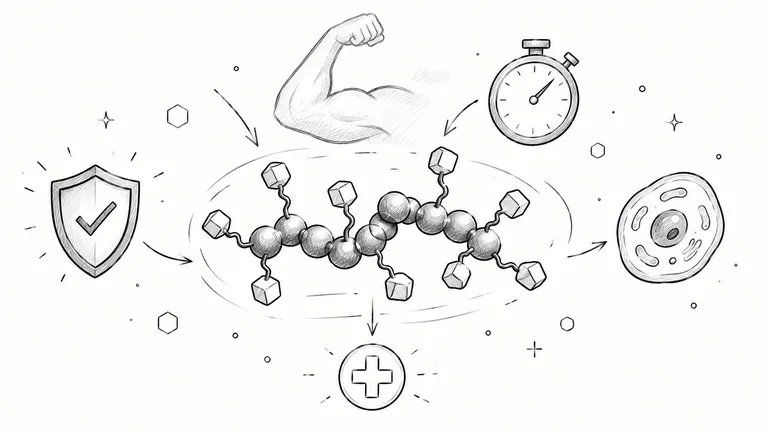
Explore PEG MGF peptide benefits, mechanisms, and safety. Learn what preclinical research reveals about muscle repair, recovery, and responsible use in 2026.
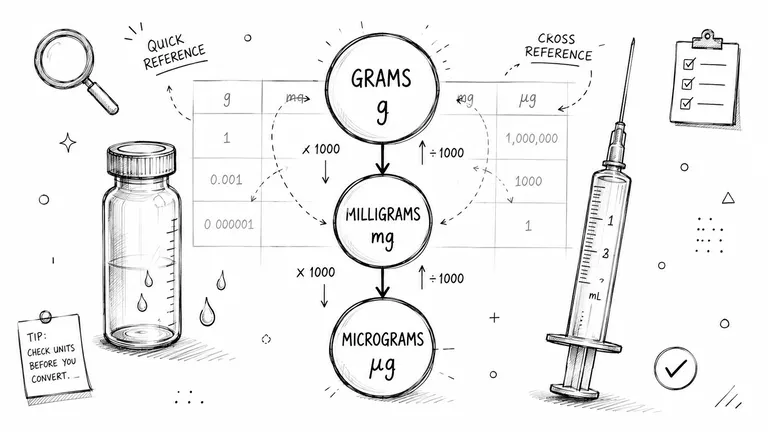
Master unit conversion of mass for peptide dosing. Learn precise formulas, conversion tables, and practical examples to calculate micrograms, milligrams
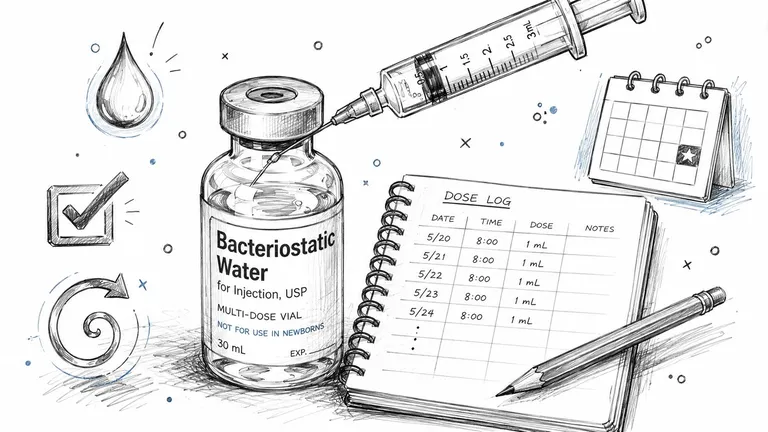
Learn how bacteriostatic water injection works for reconstitution and dosing. Practical preparation steps, precautions, and dose logging tips.
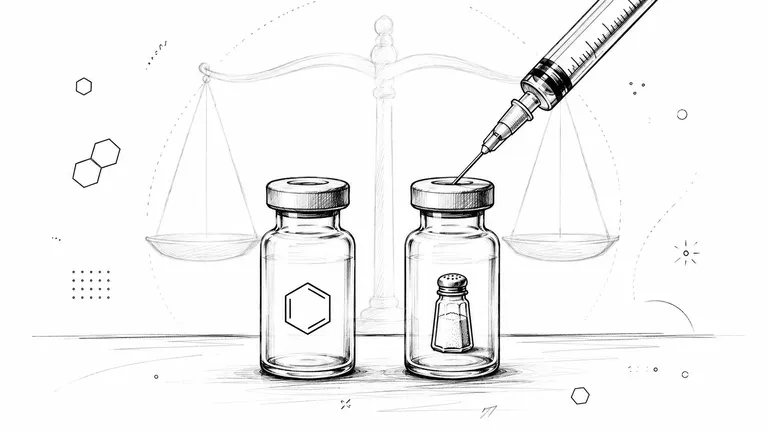
Bacteriostatic water vs saline compared for peptide prep. Learn composition, preservative differences, multi-dose handling, and which diluent fits your
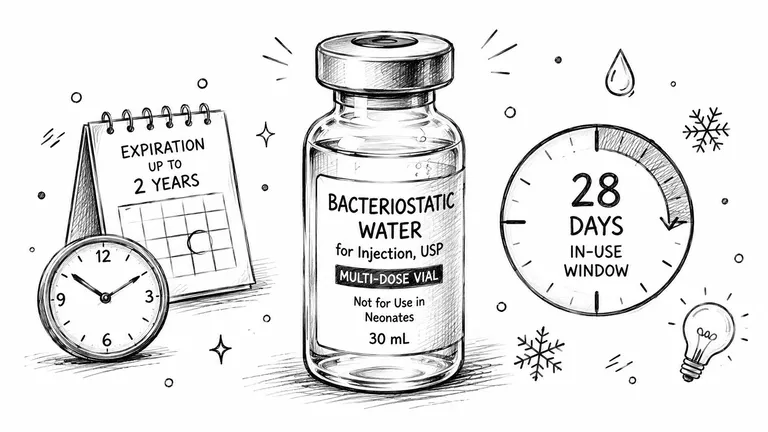
Learn the real bacteriostatic water shelf life for unopened and opened vials, how benzyl alcohol affects stability, and how to read expiration dates safely.

Explore real SS-31 peptide benefits, from mitochondrial support to endurance and recovery, grounded in clinical research, not just lab hype.
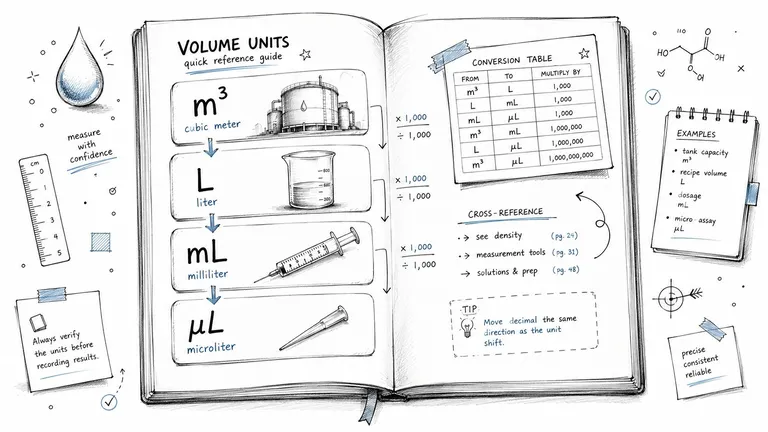
Master unit conversion volume with quick reference tables, formulas, and worked examples for L, mL, and µL calculations in dosing and lab work.
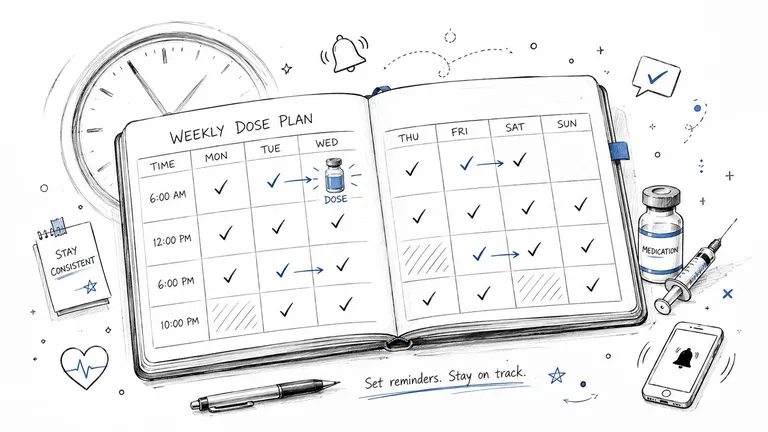
Learn how to create an effective dosing schedule for peptides. Build and track routines that support your health goals with this practical guide.
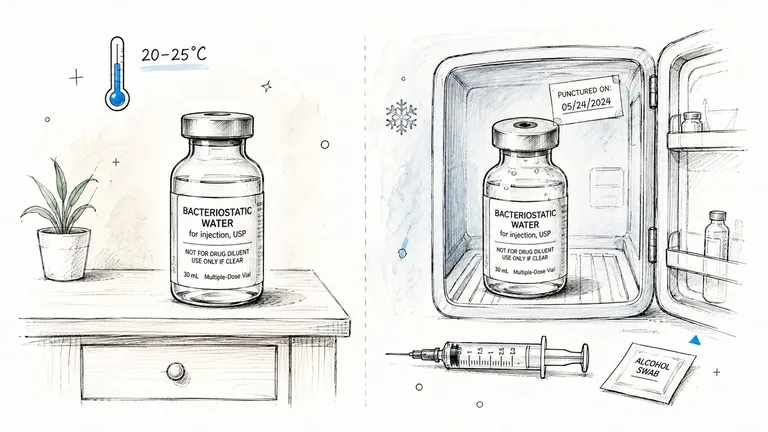
Practical bacteriostatic water storage tips covering temperature, opened vs unopened vials, contamination prevention, and labeling best practices
Your Routine, Made Easier
Spend less time keeping track and more time focused on your goals. PepFlow helps you follow your routine, remember what’s next, and see what you’ve already done.