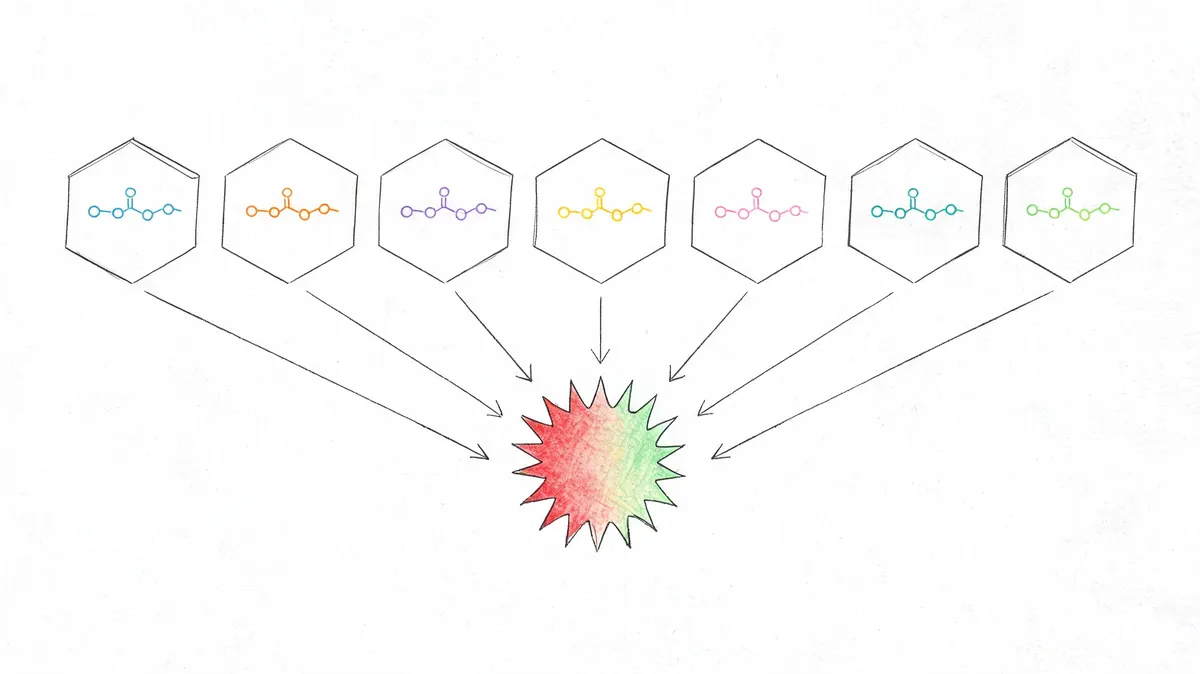
Inflammation is often treated like a volume problem. Turn it down with ibuprofen, rest a little, move on. That works for a flare. It usually fails for the athlete whose tendon keeps barking, the lifter with a gut that never settles, or the high-stress professional who feels sore, puffy, and under-recovered all the time.
The better question is this. Which pathway is driving the inflammation in the first place? Gut barrier dysfunction, connective tissue overload, immune dysregulation, skin barrier issues, stress signaling, and poor recovery hygiene don’t respond equally well to the same tool. That’s where peptides become useful. The best peptides for inflammation aren’t interchangeable. Some are better for soft tissue and GI repair. Others are more useful when the immune system is overreactive or when skin and mucosal surfaces keep reigniting the problem.
Used well, peptide protocols are less about chasing symptom suppression and more about building a repeatable plan. That means choosing the right compound, keeping the schedule simple enough to follow, and tracking whether the protocol is changing pain, mobility, digestion, skin status, sleep, or training tolerance. If you’re also thinking more broadly about longevity and recovery, peptide therapy for anti-aging often overlaps with this conversation because chronic inflammation rarely shows up alone.
Table of Contents
- 1. BPC-157 (Body Protection Compound-157)
- 1. BPC-157 (Body Protection Compound-157)
- 2. Thymosin Alpha-1 (Tα1)
- 3. LL-37 (Cathelicidin)
- 4. Semax (ACTH 4-10 Analog)
- 6. Melanotan II (MT-II / Melanotan Alpha)
- 6. Melanotan II (MT-II / Melanotan Alpha)
- 7. GHK-Cu (Copper Peptide Complex)
- Comparison of 7 Anti-Inflammatory Peptides
- From Information to Action Building Your Protocol
1. BPC-157 (Body Protection Compound-157)
What makes BPC-157 the peptide clinicians keep revisiting for inflammation cases that also involve poor healing?
BPC-157 is a 15-amino-acid peptide originally identified in gastric juice. In practice, it stands out less as a general “anti-inflammatory” and more as a repair-focused option that may fit cases where inflammation is tied to tissue stress, barrier dysfunction, or both. That distinction matters. A sore tendon, an irritated gut, and a chronically overloaded training schedule can look like separate problems, but they often reinforce the same inflammatory pattern.
The proposed mechanisms are part of the appeal. Preclinical research has linked BPC-157 with support for angiogenic signaling, epithelial repair, nitric oxide pathway modulation, and healing responses in tendon, ligament, muscle, and GI tissue. The human evidence is still limited, so I would not present it as a settled answer for systemic inflammation. I would present it as a practical candidate when the case has a clear repair component.
That usually includes patterns like these: persistent tendon irritation, post-training soft tissue flare-ups, GI symptoms that worsen recovery, or recurrent pain in the same area despite decent sleep, nutrition, and load management.
For readers who want a quick foundation before building a protocol, PepFlow’s guide to what peptides are and how they’re used gives useful context.
The main trade-off is breadth versus precision. BPC-157 gets discussed for everything, which is exactly why it needs tighter selection criteria. If the primary problem is immune overactivation without a tissue-healing angle, another peptide may fit better. If the pattern is localized irritation plus slow recovery, BPC-157 becomes more interesting.
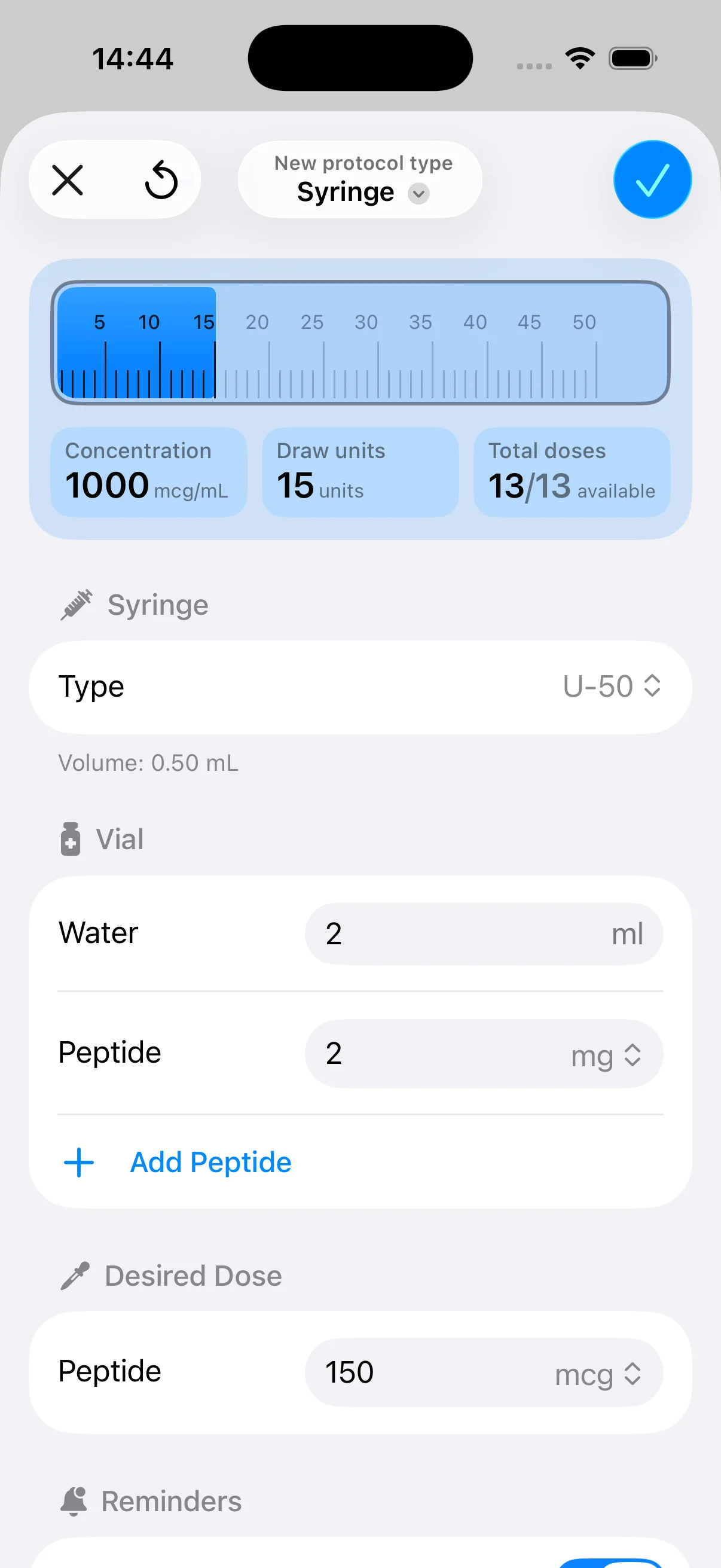
Protocol design matters more than enthusiasm. A simple plan usually works better than an aggressive one people abandon after four days. Set a defined trial window, choose one target outcome such as pain with loading, morning stiffness, bowel stability, or training tolerance, and track it consistently. A tool like PepFlow is useful here because adherence problems often get mistaken for treatment failure.
I also prefer deciding up front whether the goal is local recovery, gut support, or broader recovery support. That choice changes how tightly the protocol should be scheduled, how long it should run before reassessment, and what counts as success. Without that structure, BPC-157 turns into another compound people “tried” without really testing.
1. BPC-157 (Body Protection Compound-157)
BPC-157 is usually the first peptide I think about when inflammation and tissue repair show up together. It’s a 15-amino-acid peptide derived from human gastric juice, and among the anti-inflammatory peptides discussed in practice, it has some of the broadest crossover between gut support and orthopedic recovery. That matters because a lot of “joint inflammation” cases aren’t just local wear and tear. They’re local irritation sitting on top of systemic inflammatory load.
A useful starting point is mechanism. BPC-157 is associated with intestinal barrier protection, cytokine modulation, blood flow support, and tissue healing. In inflammatory bowel disease, Phase II clinical trials reported a 70% reduction in inflammatory markers. In the same source, animal arthritis work showed a reduction in joint inflammation, and preclinical neuroinflammation work suggested blood-brain barrier protection.
For beginners who need context before protocol design, PepFlow’s primer on what peptides are and how they’re used is a helpful starting point.
Here’s the main trade-off. BPC-157 is broad, but broad tools can tempt people to use it for everything. It tends to make the most sense when the pattern includes tendon irritation, ligament strain, GI dysfunction, exercise-related inflammation, or recovery from repetitive impact.
A practical example is the athlete with patellar tendon pain and inconsistent digestion during heavy training blocks. Another is the person with nagging elbow or shoulder irritation who also notices that stress, poor food choices, or NSAID use make everything worse.
How to structure it
It is more effective to follow a consistent, manageable schedule than a “perfect” plan that is often neglected. Typical wellness protocols often use daily dosing, and consistency matters more than constant tinkering. If you use PepFlow, set the protocol length, reminders, and symptom logs before the first dose, not after the first missed week.
Practical rule: If pain is your only tracking metric, you’ll miss half the story. Log pain, stiffness, range of motion, training tolerance, and digestion separately.
This is also one of the easier peptides to pair with basics that still matter: hydration, protein intake, low-irritant nutrition, and training adjustments that reduce repeated overload. BPC-157 works best when the irritated tissue gets a cleaner environment to heal in.
A 2025 systematic review in orthopedic sports medicine concluded that BPC-157 supports growth factors while reducing pro-inflammatory cytokines and COX-2 expression, with improved structural and functional recovery across fracture, muscle, tendon, and ligament injury models, as summarized in the anti-inflammatory peptide review.
To see the peptide discussed visually, this overview is useful:
2. Thymosin Alpha-1 (Tα1)
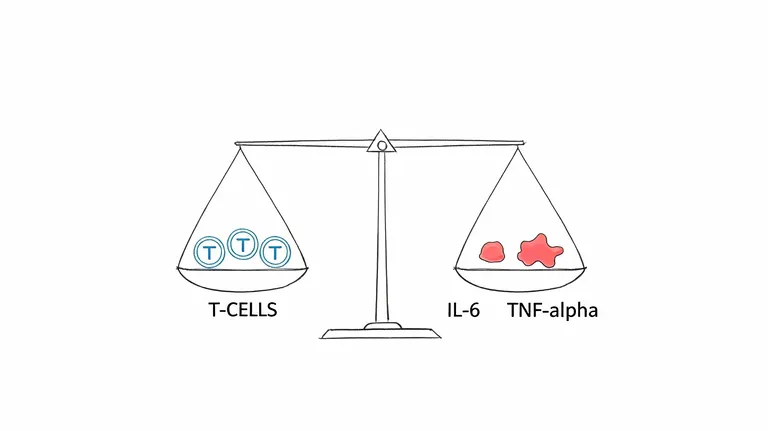
When inflammation is being driven by an immune system that’s poorly regulated, not overactive, Thymosin Alpha-1 often makes more sense than a tissue-first peptide. This is the category I think about for people who don’t just get pain. They get waves of feeling run down, poor resilience after hard training, and inflammatory flare patterns that seem tied to stress, illness, or immune challenge.
Tα1 is less about blunting inflammation on contact and more about helping the immune response behave more appropriately. That distinction matters. In practice, it’s often a better fit for people with chronic inflammatory patterns than for someone who just tweaked a tendon in the gym yesterday.
Where it tends to fit best
The athletes who benefit most from this type of approach usually have a history that sounds messy. They overreach in training, sleep poorly, pick up every bug going around, then wonder why soreness lingers longer than it should. A marathoner after an intense race block, or a coach under travel stress who can’t seem to get back to baseline, fits this pattern better than someone with a single acute strain.
The trade-off is patience. Immune-modulating protocols often don’t feel dramatic right away. If someone expects a same-week drop in pain, they may judge the peptide too early or abandon the plan before anything stabilizes.
To make dosing math less error-prone, use a tool built for that step, like PepFlow’s guide to the best peptide reconstitution calculator.
Protocol design mistakes to avoid
A common mistake is layering Tα1 into an already chaotic routine. If sleep timing is erratic, training volume is still excessive, and meals are inconsistent, it gets harder to know what the peptide is doing. Inflammation protocols need a stable baseline.
A cleaner setup looks like this:
- Choose one primary goal: Better training recovery, fewer flare cycles, or steadier general resilience.
- Track a short symptom set: Energy, soreness duration, illness frequency, and sleep quality are usually enough.
- Set a real cycle length: Don’t evaluate too early if you’re using an immune-balancing peptide.
This peptide makes more sense when the problem is “my system keeps overreacting” than when the problem is “this one tissue is injured.”
Tα1 tends to work better for the person with chronic dysregulation than for the person looking for a quick fix. That’s not a weakness. It’s the point.
3. LL-37 (Cathelicidin)
LL-37 sits in a different lane from most anti-inflammatory conversations because it’s tied so closely to barrier defense. If inflammation keeps returning alongside skin breakdown, recurring irritation, or suspected microbial burden, LL-37 becomes much more interesting than a standard “recovery peptide.”
This is one of the better examples of why the best peptides for inflammation depend on context. A lifter with stubborn tendon pain and no skin or immune barrier issues probably won’t start here. A person with inflammatory skin flares, recurring irritation, and slow barrier recovery might.
What it does well
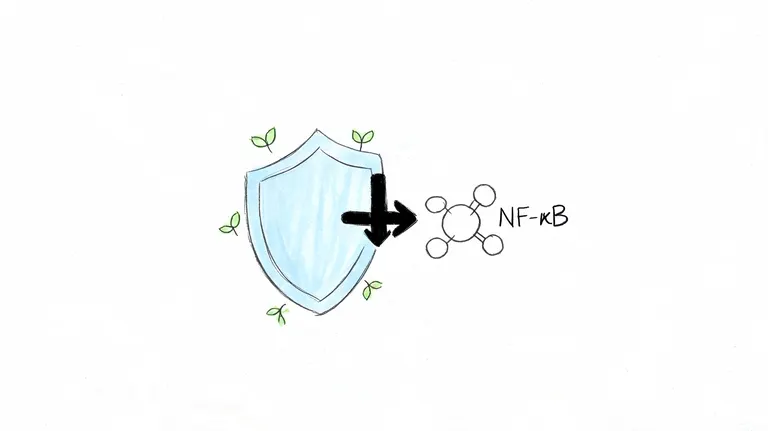
LL-37 is discussed for antimicrobial activity, innate immune modulation, and inflammatory control. In practical terms, that means it’s often considered when the inflammatory pattern looks contaminated, recurrent, or surface-driven rather than purely mechanical. Skin, mucosal surfaces, and inflammatory episodes that seem to follow recurring exposures are the usual clues.
That makes it relevant for someone with chronic dermatologic inflammation, an athlete who keeps getting minor wound or skin issues during hard training seasons, or a person whose inflammatory symptoms escalate after repeated environmental hits.
Its trade-off is that it’s not the most obvious beginner peptide. People often underestimate how much monitoring matters with compounds that affect immune signaling and barrier recovery.
How to run it without guessing
Structure matters more than enthusiasm. Decide whether you’re addressing a localized issue, a broader pattern, or both. Then track signs that accurately reflect the target problem.
- For skin-focused use: Log redness, reactivity, healing time, and barrier tolerance.
- For broader inflammatory use: Track flare frequency, fatigue around flares, and any recurring trigger pattern.
- For schedule adherence: Use fixed dosing days instead of “when I remember.”
Clinical mindset: If a peptide is aimed at barrier repair, your tracking should include barrier outcomes. “I think I feel better” isn’t enough.
Another practical point. LL-37 often gets discussed by people who want to throw multiple compounds at a vague inflammatory problem. That usually muddies the picture. If you’re trialing LL-37, keep the rest of the protocol simple enough that you can tell whether skin, mucosal comfort, or flare recurrence is changing.
4. Semax (ACTH 4-10 Analog)
Some inflammatory problems don’t start in the joint, gut, or skin. They start upstream in stress physiology. That’s where Semax becomes useful to think about. If someone is inflamed, wired, under-slept, mentally flat, and recovering poorly from normal training, a neuroregulatory tool can make more sense than another tissue-repair peptide.
Semax is usually discussed for cognitive support, stress-response modulation, and neuroprotection. In real-world use, the value is often less about directly “treating inflammation” and more about calming the pattern that keeps feeding it. High stress changes sleep quality, training tolerance, food choices, and recovery behavior. Those changes then keep inflammatory symptoms alive.
Best use cases
A common example is the high-performing professional who trains hard but carries obvious stress load into every session. Another is the athlete before competition who gets tight, inflamed, and poorly recovered when mental pressure rises. These are not purely psychological complaints. They often show up physically as more soreness, slower recovery, more headaches, worse sleep, and lower resilience.
The trade-off is simple. If the main issue is a torn-up tendon or clear GI inflammation, Semax is rarely the first tool. But if chronic stress is the engine driving the whole picture, it can be one of the more rational choices.
How to build the protocol
This category needs tracking that goes beyond pain. If all you measure is joint discomfort, you might miss the fact that sleep improved first and inflammation fell later. Good tracking fields include sleep quality, subjective stress, focus, energy stability, and training recovery.
A simple protocol design approach works best:
- Use the same dosing window consistently: Stress-response peptides usually benefit from routine.
- Pair it with behavior changes: Bedtime consistency and stimulant control matter here.
- Review trends weekly: Daily noise can hide useful progress.
If stress is the trigger, the protocol fails when the schedule is inconsistent and the lifestyle stays chaotic.
Semax usually belongs in a smarter recovery architecture, not as a standalone miracle. When people use it that way, it tends to fit much better.
6. Melanotan II (MT-II / Melanotan Alpha)
Could a peptide known mostly for tanning have a legitimate place in an inflammation protocol? In select cases, yes. MT-II gets dismissed or misused because people focus on its cosmetic reputation and ignore the melanocortin pathway, which has real immunologic relevance when inflammation is diffuse, reactive, and hard to pin to one tissue.
That matters in practice. Some patients do not present with a single angry joint or one irritated tendon. They show a broader pattern: training causes disproportionate soreness, skin flares come and go, appetite shifts during inflammatory periods, and recovery feels systemically off. In that context, a melanocortin-directed peptide may make more sense than a repair-focused option.
KPV is often discussed in this same family because it acts through melanocortin signaling and is commonly used for skin and GI inflammatory patterns, as noted earlier in the Revolution Health anti-inflammatory peptides overview. MT-II is not interchangeable with KPV, but the pathway overlap explains why experienced practitioners keep melanocortin peptides on the shortlist for the right case.
Where MT-II fits best
MT-II usually fits a narrow profile. I consider it when the inflammatory picture looks amplified at the whole-body level and the person also needs careful control over dosing pace, side effects, and timing. It is a poor choice for someone who wants a casual trial with no tracking.
Tolerability is the main trade-off. Nausea, appetite effects, flushing, and day-to-day variability can muddy the picture fast if the protocol is rushed. Starting low gives you cleaner information and usually better adherence.
Practical design notes
Protocol design matters more here than enthusiasm. Keep the approach simple:
- Start conservatively: Small initial doses help separate therapeutic effect from avoidable side effects.
- Keep timing consistent: If a dose predictably affects appetite, energy, or nausea, use the same window so the pattern is easier to evaluate.
- Track more than pain: Log skin reactivity, appetite changes, recovery quality, sleep, and any adverse effects.
- Review adherence weekly: Missed doses and erratic timing make this peptide especially hard to judge.
This is where a tracker earns its keep. A tool like PepFlow can help organize dose timing, symptom logs, and adherence trends so you can tell whether the protocol is helping or just creating noise. That same structured approach also matters in adjacent longevity-focused plans that use peptides for broader recovery and aging goals, as covered in this guide to peptides for anti-aging protocols.
MT-II works best when expectations stay realistic. Use it for a defined reason, monitor tolerability early, and stop pretending that a scattered protocol can produce a clear answer.
6. Melanotan II (MT-II / Melanotan Alpha)
Melanotan II is one of the more misunderstood peptides in this category. Many people know it for effects unrelated to inflammation, then overlook the melanocortin pathway entirely. That’s a mistake. The melanocortin system has real relevance when the inflammatory pattern looks systemic and over-amplified.
This is the same broad pathway highlighted in discussions of KPV, a multi-route anti-inflammatory peptide that targets melanocortin signaling and inhibits NF-κB and pro-inflammatory cytokines, with practical relevance for skin and GI inflammation according to this anti-inflammatory peptide overview. That doesn’t make MT-II and KPV interchangeable, but it explains why practitioners pay attention to this family.
Where MT-II can make sense
Think of the person whose inflammation doesn’t stay local. Hard training leads to a whole-body inflammatory response. Autoimmune-type complaints come with exaggerated soreness, skin reactivity, appetite changes, or systemic malaise. In those situations, a melanocortin-oriented peptide may fit the biology better than a tendon-only solution.
The trade-off is tolerability. With MT-II, I’d rather see someone start conservatively and learn their response than push fast and regret the protocol. Side effects and timing matter enough that sloppy logging makes the whole experiment less useful.
Practical design notes
A cleaner MT-II protocol usually includes gradual titration, symptom logging, and stable timing. Evening use is often discussed because some users want to separate any appetite or subjective effects from the rest of the day.
What should you log?
- Inflammatory symptoms: Joint ache, generalized soreness, skin reactivity, GI irritation.
- Tolerance markers: Nausea, appetite changes, and other noticeable shifts.
- Pattern clues: Whether training, stress, or certain foods change the response.
The wrong way to use MT-II is as a vague “biohacker add-on.” The right way is to match it to a clear pattern, start low, and keep enough data that you can tell whether it’s helping the inflammatory picture or just creating noise.
7. GHK-Cu (Copper Peptide Complex)
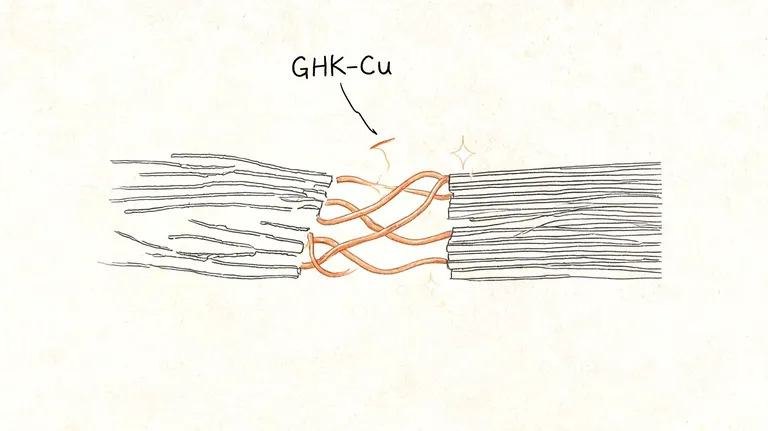
GHK-Cu is the peptide I think about when inflammation and tissue quality are declining together. If the issue is red, irritated, slow to heal, thin, or structurally unhappy, this one often deserves attention. It’s discussed for anti-inflammatory activity, wound support, and collagen-related remodeling, which gives it a very different personality from immune-balancing peptides.
That distinction matters in practice. Someone with chronic skin inflammation, poor wound healing, or joint irritation plus obvious tissue wear may be a better GHK-Cu candidate than someone whose main problem is an unstable immune pattern.
Why it stands out
GHK-Cu earns its place because reducing inflammation without helping tissue rebuild often leaves people stuck. Their pain may soften, but the skin, connective tissue, or wound bed still doesn’t look or function better. GHK-Cu is attractive because it’s often used with repair in mind, not just symptom control.
This makes sense for athletes with chronic overuse patterns, adults dealing with skin quality changes and inflammatory irritation, and recovery plans where structural support matters. If you also want a broader longevity context, PepFlow has a useful guide to the best peptides for anti-aging, which includes peptides that overlap with inflammation and repair conversations.
What works and what does not
What works is matching GHK-Cu to cases where remodeling matters. What doesn’t work is expecting it to solve every inflammatory issue by itself. If gut dysfunction, autoimmune activity, or training overload is the main driver, you still have to address that root cause.
A practical setup usually includes consistent dosing days, logs for both inflammation and tissue quality, and support for collagen turnover through adequate nutrition.
- Track local function: Joint movement, skin resilience, wound progress, or irritation level.
- Support the substrate: Protein intake and general recovery habits still matter.
- Give it enough time: Remodeling-focused protocols usually need more patience than pain-focused ones.
Better tissue is often the missing piece. Some people don’t need stronger suppression. They need cleaner repair.
Comparison of 7 Anti-Inflammatory Peptides
| Peptide | Implementation complexity 🔄 | Resource requirements ⚡ | Expected outcomes ⭐ / 📊 | Ideal use cases 💡 | Key advantages ⭐ |
|---|---|---|---|---|---|
| BPC-157 (Body Protection Compound-157) | Moderate 🔄🔄, daily consistency; subQ or oral | Moderate ⚡, 250–500 mcg daily; routine marker tracking | Broad anti-inflammatory + tissue healing; effects in 4–8 weeks ⭐⭐⭐⭐ 📊 | Tendon/ligament repair, gut-driven systemic inflammation, athletic recovery | Multi-pathway anti-inflammatory; angiogenesis; gut barrier support |
| Thymosin Alpha‑1 (Tα1) | Low–Moderate 🔄🔄, intermittent injections (1–3×/wk) | Low ⚡, 1.6 mg protocols; periodic immune monitoring | Immune rebalancing (reduces chronic dysregulated inflammation); 2–4 weeks ⭐⭐⭐ 📊 | Chronic immune dysregulation, overtraining, stress‑related inflammation | Normalizes Th1/Th2; enhances T‑cell function; long safety record |
| LL‑37 (Cathelicidin) | Moderate–High 🔄🔄🔄, emerging protocols; topical/systemic options | Moderate ⚡, ~0.5–1 mg daily or 2–3×/wk; skin/infection tracking | NF‑κB inhibition, wound healing, reduced cytokines; variable response ⭐⭐⭐ 📊 | Dermatologic inflammation, barrier dysfunction, recurrent infections | Targets NF‑κB; antimicrobial + regenerative actions |
| Semax (ACTH 4‑10 Analog) | Low 🔄, intranasal or subQ daily routines | Low ⚡, 250–500 mcg daily; stress/sleep monitoring | Reduces stress‑driven inflammation and neuroinflammation; cognitive boost; weeks ⭐⭐⭐⭐ 📊 | High‑stress individuals, neuroinflammation, performance optimization | HPA axis modulation; neuroprotection and cognitive benefits |
| Epitalon (Epithalon) | High 🔄🔄🔄, long-term cyclical use, timing sensitive | High ⚡, multi‑month cycles (10–20 days on, long breaks); long‑term monitoring | Anti‑inflammatory via aging/circadian normalization; cumulative 6–12+ months ⭐⭐⭐⭐ 📊 | Accelerated aging phenotypes, shift‑work circadian disruption, longevity protocols | Activates telomerase, restores circadian rhythms, clears senescent cells |
| Melanotan II (MT‑II) | High 🔄🔄🔄, careful titration and supervision required | High ⚡, 0.5–2 mg 2–3×/wk; side‑effect and skin cancer risk monitoring | Potent systemic anti‑inflammatory via melanocortin; rapid effects but variable tolerability ⭐⭐⭐⭐ 📊 | Systemic inflammatory conditions, exercise‑induced inflammation, select biohacks | Strong melanocortin pathway modulation; reduces cytokines and inflammatory pain |
| GHK‑Cu (Copper peptide complex) | Moderate 🔄🔄, topical or subQ; formulation matters | Moderate ⚡, 1–3 mg daily/topical; monitor copper status and support nutrients | Anti‑inflammatory plus tissue remodeling; collagen synthesis and wound repair in 8–12 weeks ⭐⭐⭐⭐ 📊 | Inflammation with tissue degradation, skin healing, joint recovery | Simultaneous inflammation reduction and structural repair; high biocompatibility |
From Information to Action Building Your Protocol
Selecting a peptide is the straightforward step. Executing a protocol effectively is where many individuals either achieve results or lose months of time. The best peptides for inflammation only provide benefits when the selection is appropriate, the timeline is practical, and the monitoring is thorough enough to determine if the strategy is successful.
Start with the root pattern, not the loudest symptom. BPC-157 usually makes more sense for soft tissue irritation, gut-linked inflammation, and recovery support. Thymosin Alpha-1 fits better when immune imbalance seems to be driving the problem. LL-37 and GHK-Cu are more useful when barrier integrity, skin issues, or tissue quality are part of the story. Semax and Epitalon make sense when stress physiology or circadian disruption is keeping inflammation switched on. MT-II belongs in a more selective conversation around melanocortin signaling and systemic inflammatory tone.
Then simplify the protocol. One primary peptide is often easier to judge than a stack started all at once. Define a cycle length, set dosing days, decide what you’ll track, and keep the metrics narrow enough to review objectively. Pain, stiffness, mobility, digestion, skin status, sleep, and recovery quality are usually enough. If you log everything, you’ll review nothing.
Consistency beats complexity. A plain routine followed for weeks is more useful than an elaborate protocol followed for four days. It is then that a planning tool becomes practical rather than promotional. PepFlow is one option for translating a protocol into reminders, dose calculations, cycle scheduling, and simple adherence tracking. That doesn’t replace medical judgment, but it does reduce the usual errors around skipped doses, bad math, and vague memory.
The final point is the one people resist. Inflammation protocols work better when the non-peptide inputs stop fighting the goal. If training load is still excessive, sleep is unstable, alcohol intake is high, and food choices are constantly aggravating symptoms, even a well-chosen peptide can look underwhelming. Good protocols remove friction. They don’t just add compounds.
If you’re ready to move from reading to execution, it helps to explore compounded peptide solutions alongside a structured tracking process. The compound matters. The protocol matters more.
If you want a simple way to organize dosing, cycles, reminders, and logs in one place, PepFlow is built for that job. It helps users calculate practical peptide doses, schedule recurring protocols, track pause periods, and stay consistent without relying on memory alone.