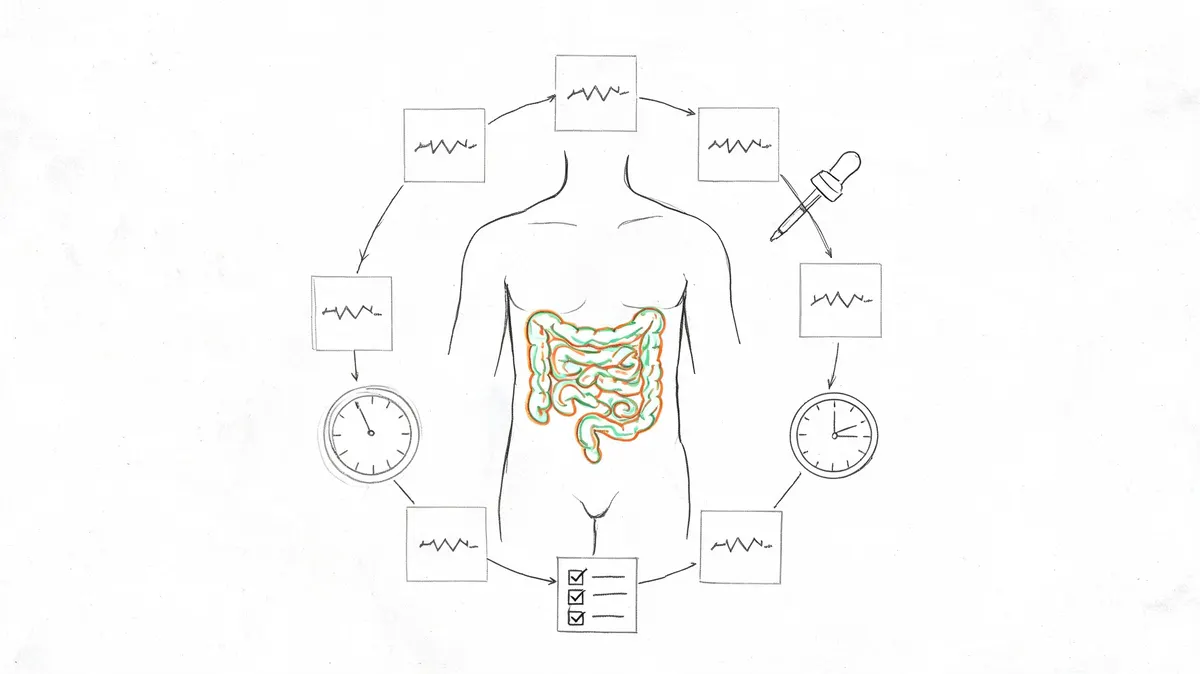
Why do so many gut protocols stall after probiotics, fiber, and elimination diets, even when the person is doing everything “right”? In practice, the missing piece is often structural support. The microbiome matters, but the gut lining, immune signaling, and tissue repair process matter too. If that layer isn’t recovering well, symptoms like bloating, food reactivity, irregular bowel habits, and post-meal discomfort can linger.
That’s where peptides and peptide-rich compounds become interesting. They’re short chains of amino acids that can support barrier function, repair signaling, and inflammatory balance. Some are familiar nutrition tools, like collagen peptides and bone broth peptides. Others are more targeted, including BPC-157, KPV, and larazotide acetate, which has advanced human trial history in intestinal permeability research via this gut peptide overview. If you’re also comparing broader supplement strategies, this guide on choosing gut health options is a useful companion.
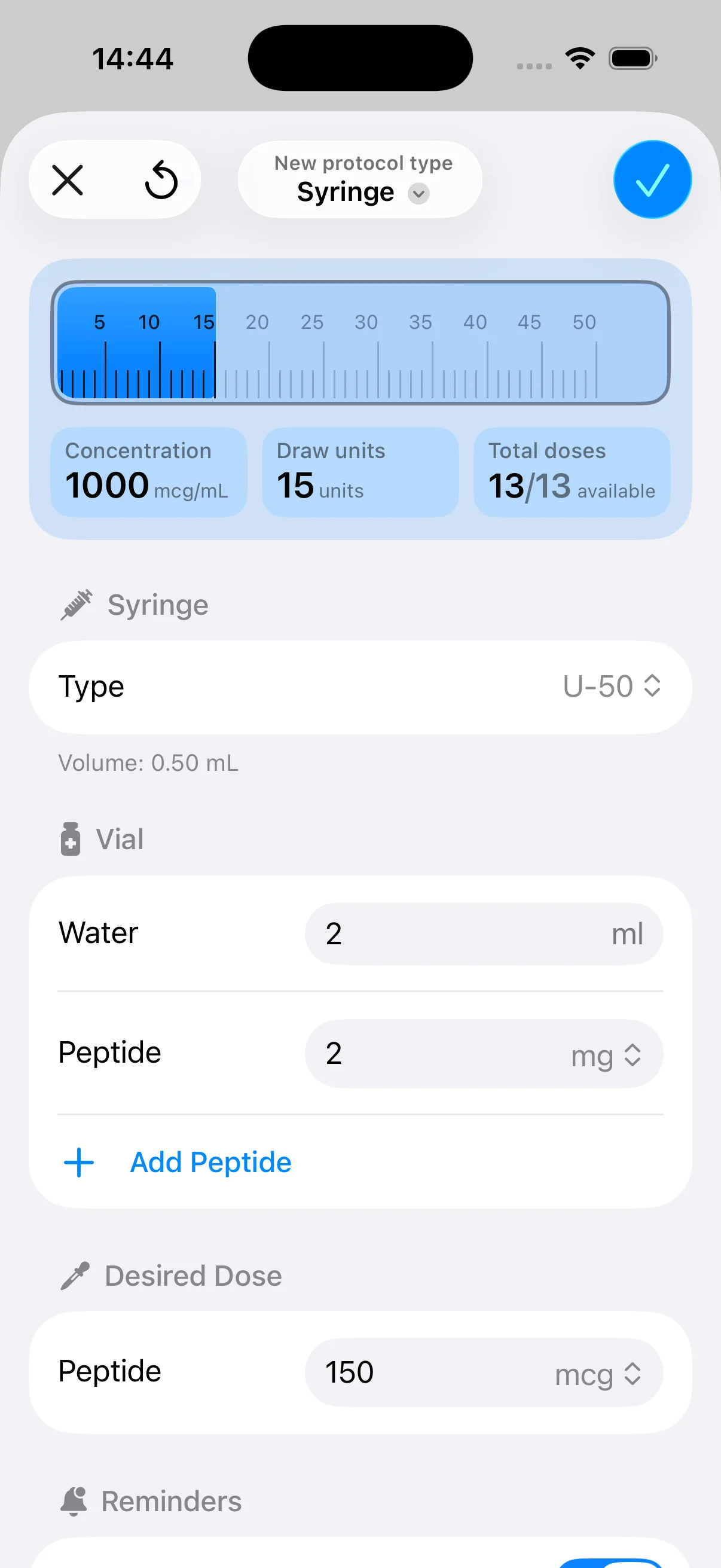
The practical problem is rarely “which peptide exists.” It’s dosage accuracy, scheduling, consistency, and knowing what outcome you’re tracking. That’s why I’m framing this list around implementation, not hype. These are the best peptides for gut health when matched to the right use case, layered carefully, and logged with enough precision that you can tell what’s helping and what’s just noise. Tools like PepFlow are useful here because peptide protocols fall apart fast when the math, reminders, and timing get sloppy.
Table of Contents
- 1. Collagen Peptides
- 2. L-Glutamine Peptides
- 3. Bone Broth Peptides
- 4. BPC-157
- 5. Larazotide Acetate
- 6. KPV
- 7. Thymosin Alpha 1
- Top 7 Gut-Health Peptides Comparison
- Your Next Steps Toward a Resilient Gut
1. Collagen Peptides
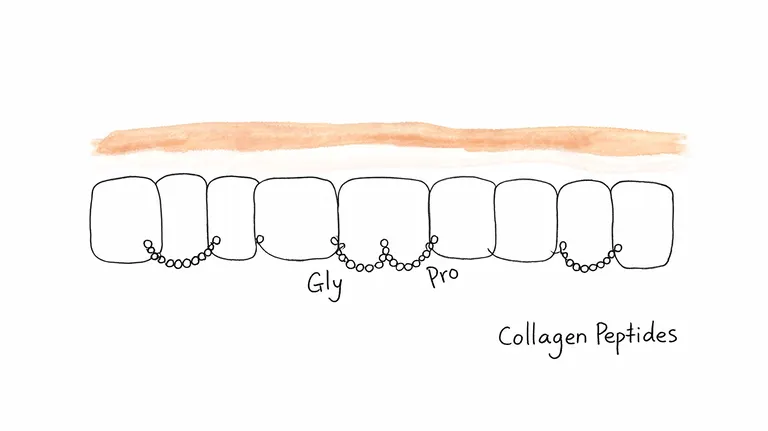
Collagen peptides are often the easiest entry point for people who want gut support without jumping straight into research peptides. They’re hydrolyzed, easy to mix, and generally simple to tolerate. I like them best when the person needs broad mucosal support, not a highly targeted anti-inflammatory effect.
They won’t behave like a drug. That’s part of the advantage and part of the limitation. Collagen gives the gut lining raw material, but it doesn’t directly address a more aggressive inflammatory pattern the way targeted peptides can.
Why collagen makes sense early
Hydrolyzed collagen is practical because adherence is usually better when the routine feels like nutrition, not a protocol. A scoop in coffee, tea, or bone broth is easier to maintain than a complicated stack that requires timing around meals and symptom logging from day one. For many people with mild food sensitivity, stress-related GI flare-ups, or recovery after a rough stretch of travel or antibiotics, that simplicity matters.
There’s also a sensible “start here” logic. If someone hasn’t even been consistent with protein intake, meal timing, and hydration, they don’t need the most advanced peptide first. They need a repeatable baseline.
Practical rule: Start with the peptide-rich option you can follow every day. Precision only helps if you actually use the protocol.
How to use it well
A practical range many people use is 10 to 20 grams daily, taken consistently and paired with vitamin C from food or supplementation. I prefer assigning it to the same meal or drink each day so compliance becomes automatic. That’s also where a scheduling app helps, because consistency is what tells you whether collagen is quietly helping or just sitting in the cabinet.
A few practical notes matter more than brand hype:
- Choose plain formulas: Flavored products often add sweeteners or gums that can muddy the symptom picture in sensitive people.
- Use one product long enough: Switching between tubs every week makes it harder to judge tolerance.
- Track basics: Log bowel regularity, bloating after meals, and reactivity to higher-protein meals.
If you want a cleaner primer on what they are, PepFlow’s guide to collagen peptides and how they’re used is worth reviewing. For general consumer context, AloeCure’s collagen insights are also a helpful read.
2. L-Glutamine Peptides
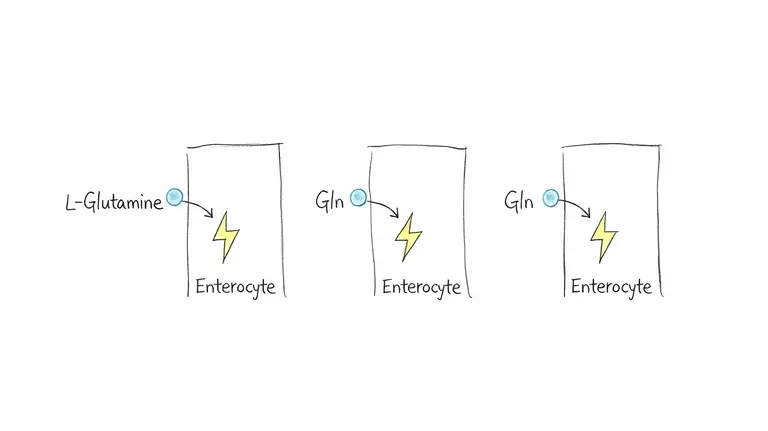
L-glutamine peptides sit in the middle ground between basic nutritional support and a more clinical gut-repair strategy. They’re useful when the gut lining seems irritated, training load is high, or the person does poorly with too much fiber while healing. Enterocytes use glutamine as fuel, which is why it shows up so often in gut-repair conversations.
The mistake is treating glutamine like a magic switch. It isn’t. If someone keeps hammering the gut with alcohol, poor sleep, ultra-processed food, and repeated trigger exposure, glutamine usually underperforms.
Where glutamine fits
I like glutamine peptide use most in athletes, people coming out of GI infections, and those with stress-sensitive digestion. It’s especially helpful when symptoms worsen with intense training blocks or during calorie deficits. In those cases, gut support isn’t only about food intolerance. It’s often about recovery debt.
One useful distinction: some people feel better with free-form glutamine, while others prefer peptide-bound products as part of a more food-like protocol. Either way, the practical goal is the same. Reduce irritation, support the lining, and create conditions where meals become easier to handle.
What works in practice
A common strategy is to begin with 5 grams daily and divide intake into smaller doses if tolerance is uncertain. Spacing doses apart can make the routine gentler and easier to interpret. Hydration matters too, because poor fluid intake tends to make any gut-support protocol feel rougher.
Here’s how I’d keep it practical:
- Start low if you’re reactive: Sensitive clients do better when they build up instead of chasing fast results.
- Use empty-stomach testing first: That gives a cleaner read on tolerance before layering it into mixed meals.
- Create a fixed cycle: A structured run with a planned reassessment is better than random use.
If you want broader context on where peptides fit in recovery and wellness, PepFlow’s explainer on what peptides are used for gives a good overview.
Most glutamine failures aren’t product failures. They’re implementation failures. Too many variables change at once, so no one knows what actually helped.
3. Bone Broth Peptides
Bone broth peptides work best for people who want a food-first route but still need more structure than “just sip broth sometimes.” Good bone broth or freeze-dried bone broth powder can bring together collagen-derived peptides, gelatin, amino acids, and a broader nutrient matrix that many people find soothing during gut recovery.
This option is less precise than a single isolated peptide. That’s the trade-off. You get a more traditional, often better-tolerated input, but you lose some control over exact actives and consistency between products.
Food first with more structure
In a real protocol, bone broth peptides fit well during periods of digestive fragility. That includes low appetite, post-illness recovery, and phases when heavier proteins feel irritating. I’ve also seen athletes use bone broth as part of a “reduce GI load” week before competition blocks, especially when nerves and training intensity push digestion in the wrong direction.
The best version is the one you’ll use daily. Homemade broth can be excellent, but many people are inconsistent with it. A reliable powder or concentrate often wins because the protocol becomes measurable.
Best use cases
Bone broth peptides are useful when you want support without overcomplicating things. They also pair well with collagen or glutamine instead of replacing them. What they don’t do well is act as a stand-alone answer for stronger inflammatory bowel patterns.
A practical setup looks like this:
- Pick quality over trend: Use products sourced from well-raised animals when possible.
- Standardize your serving: The same mug, scoop, or packet each day makes symptom tracking easier.
- Pair with meals strategically: Many people do better using broth alongside simple, easy-to-digest meals.
If you make your own, long simmering is traditional for extraction, but convenience still matters. A protocol you complete beats an ideal protocol you abandon after four days.
A good bone broth protocol feels boring. That’s usually a sign it’s realistic enough to keep doing.
4. BPC-157
What do you use when the problem looks less like mild digestive stress and more like irritated, slow-to-recover tissue? BPC-157 is one of the few peptides that keeps coming up for that scenario because its research history is centered on the GI tract, not tacked on later as a marketing angle.
BPC-157 is derived from a protective protein found in human gastric juice, and it has a long preclinical track record in peptide gastroenterology, summarized in this gut healing review. That matters in practice. Plenty of peptides get discussed for gut health with very little gut-specific work behind them. BPC-157 has a stronger repair-focused rationale than most, even though high-quality human randomized trial data are still limited.
Where it fits best
I put BPC-157 in the tissue-repair bucket. It makes more sense when the gut feels inflamed, reactive, or worn down after repeated stressors such as NSAID use, hard training, poor food tolerance, or a rough recovery stretch after illness. It is less compelling as a first move for someone whose main issue is simple bloating from overeating, low fiber intake, or obvious dysbiosis.
Mechanistically, the interest comes from two places. Preclinical work suggests effects on angiogenesis and barrier integrity, which are relevant when you are trying to improve healing conditions rather than just blunt symptoms. That is why BPC-157 gets attention in conversations about ulcer healing and medication-related GI irritation.
There is a trade-off, though. The enthusiasm is ahead of the human evidence. If you use it, use it as part of a broader repair plan that also addresses triggers, meal structure, sleep, and stool pattern.
Practical protocol notes
Oral use is one reason BPC-157 is attractive for gut-focused protocols. For many people, that is simpler than adding injections for a target that is primarily digestive. Simpler usually means better adherence, and adherence matters more than an ideal protocol that becomes too annoying to follow by day five.
Execution is where people make mistakes.
Dose conversions, reconstitution math, and timing errors are common, especially when someone is trying to combine more than one peptide or track symptom changes by memory alone. That is where a tool like PepFlow becomes useful in real life. Set the concentration correctly, schedule doses, log symptoms after meals, and review trends weekly instead of guessing whether things are improving.
A practical framework looks like this:
- Use BPC-157 for repair-heavy cases: It fits best when the gut lining seems irritated and recovery is the priority.
- Pick one route and stay consistent: Oral use is often the easiest place to start for GI-specific goals.
- Track the right markers: Log abdominal pain, meal tolerance, stool consistency, urgency, and flare frequency.
- Respect the ceiling: If food triggers, microbiome issues, alcohol intake, or sleep loss stay in place, results are usually partial.
- Use dosing tools carefully: Reconstitution and scheduling errors are common, as discussed in this discussion of peptide dosing challenges.
BPC-157 is interesting because it sits in the middle ground between theory and practical use. There is enough preclinical signal to justify attention, but not enough human data to justify careless expectations. Used carefully, tracked well, and placed inside a bigger gut-repair strategy, it is one of the more plausible peptides in this category.
5. Larazotide Acetate
What do you use when the main problem looks less like tissue damage and more like a gate that will not stay closed?
Larazotide acetate stands out because it is aimed at intestinal barrier regulation, specifically the zonulin pathway. That makes it a different tool from repair-oriented options such as BPC-157 or broad nutritional support such as collagen and glutamine peptides. In practice, I reserve it for cases where food-triggered symptoms, permeability concerns, or celiac-like barrier issues appear to be driving the pattern.
Its appeal is precision, but precision cuts both ways. A targeted peptide can be useful when the mechanism is clear. It can also disappoint when the underlying problem is broader, such as dysbiosis, poor diet structure, alcohol intake, sleep loss, or medication-related irritation.
A more specific option for permeability-focused cases
Larazotide is one of the few compounds in this category that made it deep into human drug development for celiac disease. That matters. It means the barrier hypothesis was taken seriously enough to test in a formal clinical setting, not just in rodent models or practitioner forums.
The trade-off matters just as much. The development program did not translate into a clean commercial success, so I would not present larazotide as a proven answer for general “leaky gut.” I would present it as a focused peptide with a plausible mechanism, a more mature research history than many gut peptides, and clear limits in real-world use.
That distinction keeps expectations realistic.
Where larazotide fits best
Larazotide makes the most sense when symptoms track tightly with barrier stressors. Common examples include reactions after gluten exposure, predictable bloating or urgency after certain meals, and flare patterns that suggest the intestinal lining is part of the problem.
It is less compelling as a catch-all gut peptide. If someone has constipation from low fiber intake, reflux from late meals, or post-infectious issues with a heavy microbiome component, larazotide is usually too narrow on its own.
I also would not treat it like a substitute for foundational work. Protein intake, meal consistency, trigger removal, and stool-pattern tracking still matter more than the peptide itself.
How to implement it without guessing
Protocol quality is essential in this context. Larazotide is specific enough that sloppy tracking can make a useful intervention look ineffective.
Use a simple framework:
- Define the target symptom pattern before starting. Focus on meal reactions, bloating, urgency, stool changes, and sensitivity to known triggers.
- Keep variables stable for at least a short observation window. Do not change diet, supplements, and peptide timing all at once.
- Log exposure-response patterns. If symptoms improve only when gluten is absent, that tells you something different than improvement despite ongoing exposures.
- Review trends weekly, not by memory.
For people running multiple compounds, tracking inflammation-focused peptide protocols with PepFlow helps clean up the process. It gives you a practical way to organize dosing schedules, record symptom changes after meals, and spot whether the protocol is helping or whether noise in the routine is hiding the signal.
Clinical reality: The narrower the peptide’s job, the more disciplined the protocol needs to be.
Larazotide is interesting because it bridges mechanism and application better than many gut peptides, but it still requires judgment. Used in the right case, with careful logging and realistic expectations, it can be part of a barrier-first strategy. Used vaguely for any digestive complaint, it usually underperforms.
6. KPV
What do you use when the gut issue looks less like structural damage and more like an overreactive inflammatory loop?
KPV fits that pattern better than many of the better-known repair peptides. It is a short peptide fragment derived from alpha-MSH, and the practical reason people reach for it is simple. The target is usually irritation, reactivity, and inflammatory signaling in the gut, not just tissue support.
I use it selectively. If someone is sleeping poorly, under-eating, skipping meals, and changing supplements every three days, KPV usually gets lost in the noise. It tends to perform best when the foundation is already stable enough that you can tell whether it is helping.
Where KPV tends to fit best
KPV is most useful in flare-prone cases. Common patterns include urgency, post-meal irritation, inconsistent stool quality, and a gut response that feels stronger than the food exposure alone would predict. In those cases, the job is often to calm the inflammatory tone enough that the rest of the protocol can start working.
That also makes KPV different from BPC-157. BPC-157 is usually discussed in the context of repair and recovery. KPV is more often chosen for inflammatory control. Those roles can overlap, but they are not interchangeable.
How to use it without muddying the signal
The main mistake is adding KPV into an already crowded stack and then trying to judge results by memory. A cleaner method works better.
Start with one clear goal. That could be fewer urgent bowel movements, less post-meal burning, or better tolerance to a repeatable meal. Keep food, meal timing, and other gut supplements as steady as possible during the observation window. Then log symptoms daily, not just on bad days.
If you decide to pair KPV with BPC-157, do it for a reason. Use KPV when inflammatory symptoms are driving the case. Add BPC-157 when the picture also includes poor recovery, ongoing irritation, or suspected barrier stress. The pairing can make sense, but starting both on day one makes it harder to tell which compound is earning its place.
PepFlow helps here because protocol discipline matters more with peptides than with basic nutrition tools. You can use it to schedule doses, keep administration consistent, and log symptom changes against meals and bowel patterns. For readers comparing broader immune and recovery strategies, this guide to peptides that support inflammation management adds useful context.
A practical framework:
- Pick one primary outcome before starting.
- Hold other variables steady long enough to observe a trend.
- Add a second peptide only after you have a baseline response.
- Review weekly logs, not vague impressions.
- Stop if the protocol is adding confusion rather than clarity.
KPV can be a strong tool for the right gut phenotype. It is usually less impressive in vague digestive complaints, and more useful in reactive, inflamed, flare-heavy cases where precise implementation matters as much as peptide selection.
7. Thymosin Alpha 1
Thymosin Alpha 1 is less of a “direct gut repair” peptide and more of an immune-modulating tool that can matter when gut symptoms are clearly tied to immune dysregulation. That makes it more niche than collagen, glutamine, or even BPC-157. But in the right case, niche is exactly what you want.
This is not the peptide I’d hand to a beginner with mild bloating. It belongs later in the decision tree, especially when there’s an autoimmune pattern, persistent post-infectious instability, or a gut picture that doesn’t make sense unless you account for immune signaling.
When immune modulation matters more than repair alone
Some people don’t need more “gut soothing.” They need a calmer mucosal immune response so the barrier can stop getting re-aggravated. That’s the lane where Thymosin Alpha 1 becomes relevant. It may fit best when food reactions, inflammatory flares, and systemic immune stress seem tightly linked.
It also appeals to practitioners who are already thinking beyond a single symptom. A person with GI issues plus recurrent inflammatory complaints often needs a wider lens than collagen can provide.
For readers exploring overlapping inflammation strategies, PepFlow’s article on the best peptides for inflammation adds useful context.
Implementation cautions
Thymosin Alpha 1 usually requires more structure than the nutrition-oriented items earlier on this list. Timing, route, and protocol consistency matter more, and for these reasons, people benefit from app-based tracking of dosing schedule, injection logs, and symptom changes.
A few practical rules help:
- Keep the objective clear: If you can’t state why you’re using an immune peptide, pause.
- Track more than digestion: Energy, recovery, and inflammatory symptom patterns matter.
- Use supervision when the case is complex: Immune-active protocols deserve a higher standard of oversight.
This is one of those compounds where a sloppy protocol creates confusion fast. If you use it, use it with intention.
Top 7 Gut-Health Peptides Comparison
Which option fits your gut issue, your budget, and your ability to follow a protocol for more than a week?
That question matters more than chasing the most talked-about peptide. A useful comparison should match the seven options already covered in this guide and help you choose based on mechanism, effort, and real-world use. It should also make implementation easier. If you are using PepFlow, this is the point where the app becomes practical. Set the protocol, schedule dosing, log symptoms, and avoid stacking too many variables at once.
| Peptide | Implementation Complexity | Typical Format | Primary Role | Best Fit | Main Trade-Off |
|---|---|---|---|---|---|
| Collagen Peptides | Low | Oral powder | Structural support for the gut lining and connective tissue | Broad gut support, mild barrier stress, long-term maintenance | Usually slower and less targeted for active inflammatory cases |
| L-Glutamine Peptides | Low to Moderate | Oral powder, often divided doses | Fuels enterocytes and supports mucosal repair | Stress-related gut irritation, post-infectious recovery, exercise-related GI strain | Can be less useful if immune activation is the dominant problem |
| Bone Broth Peptides | Moderate | Powder or broth-based intake | Food-based support for gut lining, connective tissue, and recovery | People who want a whole-food approach or prefer culinary integration | Harder to standardize dose and quality than a single-ingredient product |
| BPC-157 | Moderate to High | Commonly used in capsule or injectable protocols, depending on practitioner approach | Tissue repair and recovery support | Cases where healing support is the main objective and simpler options were not enough | Product quality, protocol design, and supervision matter more here |
| Larazotide Acetate | High | Research-oriented peptide protocol | Tight-junction and permeability support | Barrier dysfunction patterns where permeability is a central target | Access is limited, and it is not a casual self-experiment tool |
| KPV | Moderate to High | Usually capsule or compounded peptide format | Calms inflammatory signaling in the gut | Irritated, reactive GI patterns with an inflammatory component | Better for the right phenotype than for general wellness use |
| Thymosin Alpha 1 | High | Structured peptide protocol, commonly injectable | Mucosal immune modulation | Gut issues tied to immune dysregulation, systemic inflammatory patterns, or recurring reactivity | Requires more monitoring, clearer goals, and tighter protocol discipline |
A few patterns stand out quickly. Collagen, glutamine, and bone broth are easier to start and easier to sustain. BPC-157, larazotide, KPV, and Thymosin Alpha 1 ask for more precision, better sourcing, and better tracking.
That is where many gut protocols break down in practice. People choose an advanced compound, dose inconsistently, and change diet at the same time, then cannot tell what helped.
A better approach is to match the tool to the bottleneck:
- Need basic gut-lining support? Start with collagen peptides or bone broth peptides.
- Need mucosal repair support after stress, overtraining, or GI strain? L-glutamine peptides usually make more sense.
- Need a more targeted repair protocol? BPC-157 is the step up, with more complexity.
- Need tighter focus on permeability and barrier regulation? Larazotide acetate belongs in that conversation.
- Need to calm inflammatory activity in the gut? KPV is often the more relevant fit.
- Need immune modulation because the gut keeps getting re-aggravated? Thymosin Alpha 1 is the more specialized option.
Use PepFlow to keep this clean. Pick one primary target. Enter the dose and schedule. Log bowel changes, food reactions, pain, bloating, and energy for at least a couple of weeks before deciding whether a protocol is working. That kind of structure turns a peptide list into an actual plan.
Your Next Steps Toward a Resilient Gut
The best peptides for gut health aren’t the most exotic ones. They’re the ones that match the problem in front of you. If you need simple structural support and better consistency, collagen peptides or bone broth peptides often make sense. If the gut lining seems stressed and recovery is the main issue, glutamine peptides or BPC-157 may be more appropriate. If permeability and inflammatory signaling are front and center, larazotide acetate or KPV may fit the case more closely. If immune dysregulation is driving the whole picture, Thymosin Alpha 1 belongs in the conversation.
That kind of matching matters because gut protocols fail when everything gets thrown in at once. People start a powder, two capsules, a peptide vial, a probiotic, and three diet changes in the same week. Then they feel slightly different and have no idea why. Good practice is less glamorous. Pick the primary target, choose the fewest tools necessary, and track what changes.
There’s also a market reality here. The bioactive peptide market was estimated at $140.86 billion in 2025 and is projected to reach $294.58 billion by 2033 at a CAGR of 8.73%, according to Grand View Research’s peptide market analysis. That kind of growth means more products, more marketing, and more noise. It doesn’t guarantee quality. It makes quality control, sourcing, and protocol discipline more important.
That’s why I’d keep your next move simple:
- Define the goal first: Barrier repair, inflammatory control, immune modulation, or basic mucosal support.
- Choose one anchor intervention: Add complexity only when you can justify it.
- Track measurable outcomes: Stool pattern, bloating, food tolerance, pain, and recovery are more useful than gut “intuition.”
- Use accurate tools: Peptide math errors are common, especially with multi-dose vials and cycled schedules.
- Vet product quality: If you’re buying any supplement or peptide-adjacent product, review standards around FDA current good manufacturing practice guidance for dietary supplements.
Healing the gut is rarely dramatic. Most real progress looks like fewer bad days, better tolerance to ordinary meals, and a steadier baseline over time. That’s good news, because those are outcomes you can build on. Use peptides as part of a bigger plan that includes sleep, stress regulation, protein intake, and honest trigger management. When the protocol is specific, measured, and realistic, gut repair becomes much easier to evaluate and much harder to abandon.
If you want a cleaner way to run peptide protocols without second-guessing the math, PepFlow is worth a look. It helps you calculate doses, organize cycles, schedule reminders, and log progress so your gut protocol stays consistent enough to judge properly.