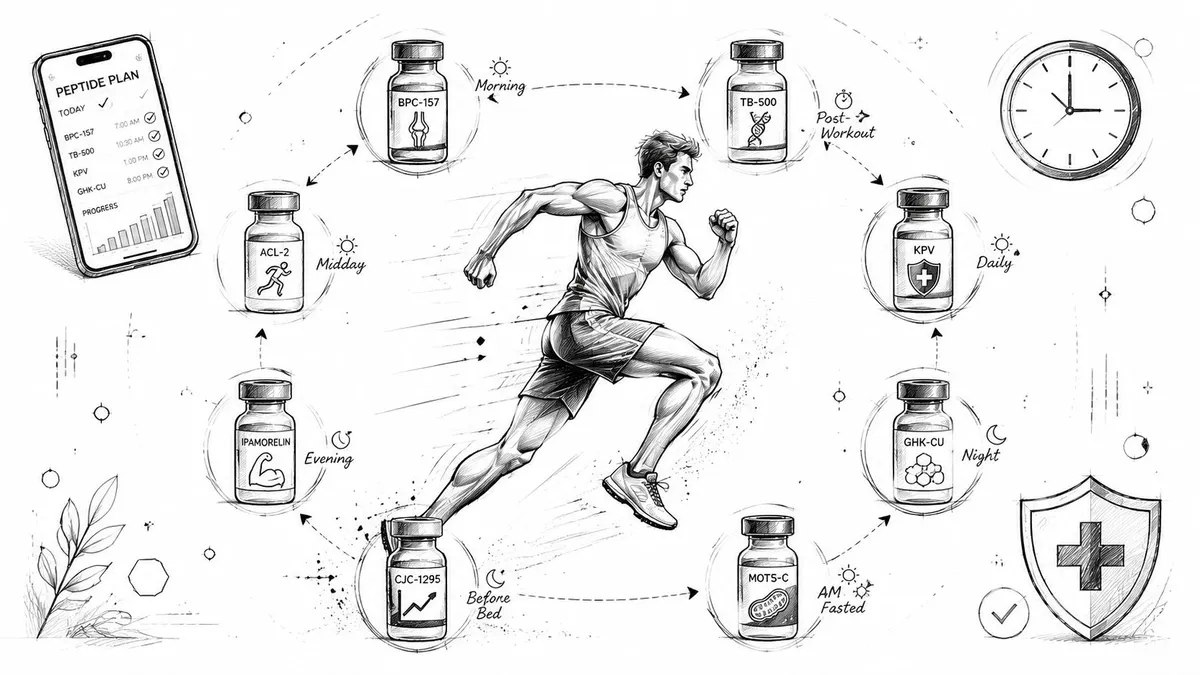
Most athletes who search for the best peptides for athletes are really asking a narrower question. What has useful human evidence, what sits in a legal gray zone, and what can be scheduled precisely enough to reduce errors?
That gap matters. A lot of peptide discussion in sports still mixes nutritional peptides, prescription hormone-related compounds, and unapproved injectables into one bucket, even though they carry very different evidence standards and anti-doping consequences. Sports-medicine reviewers have been blunt that many marketed compounds, including BPC-157, TB-4/TB-500, CJC-1295, ipamorelin, tesamorelin, and related peptide hormones, have followed a pattern of promising animal data without evidence of efficacy in humans, and they also note the lack of large multicenter trials to establish safety, dosage, or long-term use in athletes in this sports medicine review.
That doesn’t mean athletes stop asking about them. It means the responsible conversation has to separate hype from what can be managed, monitored, and discussed with a clinician. If you’re considering any peptide protocol, legality, sourcing, contamination risk, dosing accuracy, and medical oversight come before performance claims. For practical training support that stays on the right side of the evidence line, I’d also keep basic resources like MONFIT athletic tips in the rotation because recovery still starts with training load, sleep, and nutrition.
Disclaimer: This article is for informational purposes only and does not constitute medical advice. The use of these substances may be prohibited by sports governing bodies and is illegal without a prescription in many jurisdictions. Always consult with a qualified medical professional before considering any such protocol.
Table of Contents
- 1. BPC-157 (Body Protection Compound-157)
- 2. TB-500 (Thymosin Beta-4)
- 3. IGF-1 LR3 (Insulin-Like Growth Factor-1 Long R3)
- 4. GW501516 (Cardarine)
- 5. GHRP-6 (Growth Hormone Releasing Peptide-6)
- 6. Ipamorelin
- 7. AOD-9604 (Amino Oxidase Domain Fragment of Growth Hormone)
- 8. Melanotan II (MT-II)
- Top 8 Peptides for Athletes, Comparison
- The Responsible Athlete’s Final Word
1. BPC-157 (Body Protection Compound-157)
BPC-157 is one of the most discussed recovery peptides in sport, especially when an athlete is trying to train around tendon pain, a ligament sprain, or a nagging muscle issue. You’ll hear it from powerlifters managing shoulder irritation, fighters rehabbing joint stress between camps, and runners dealing with chronic overuse patterns.
The problem is the evidence gap. BPC-157 is widely marketed for tissue repair, but the human literature is still weak, and the broader peptide debate in athletics remains shaped more by animal data and banned-status concerns than by strong clinical proof. That makes it a compound people talk about far more confidently than the evidence justifies.
For a deeper tissue-repair overview, this practical guide on peptides for tissue repair is a useful planning companion when you’re trying to map a schedule and avoid sloppy dosing.
Where athletes usually place it
In practice, athletes usually reserve BPC-157 for injury-management phases rather than year-round use. A strength athlete may use it while reducing pressing volume after shoulder impingement. A grappler might time it around rehab work after a ligament sprain. An endurance athlete may consider it when tendon irritation keeps returning despite load adjustments.
Those examples are common. They are not proof that the compound works as claimed.
Protocol management and risk control
The common protocol people discuss is a daily or twice-daily schedule, often planned in short cycles and separated by rest periods. If a clinician has approved a protocol, the primary challenge is consistency. Missing doses, changing timing randomly, or guessing at unit conversions creates avoidable risk.
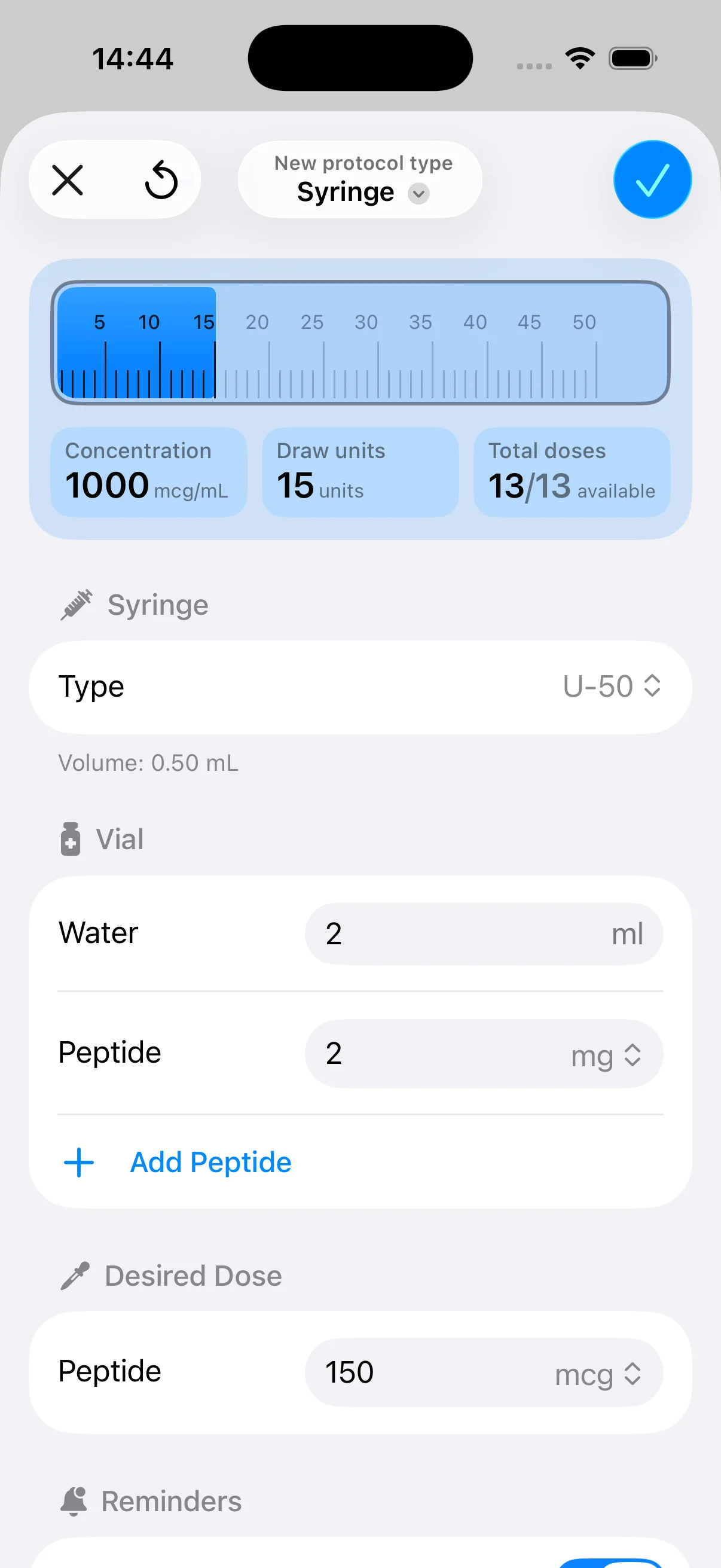
A tool like PepFlow is most useful here for operational discipline.
- Set the exact vial configuration: Enter concentration and target microgram amount so the app converts it into practical unit measurements.
- Schedule the full cycle in advance: Build the active phase and the rest period before the first dose.
- Log recovery markers: Note pain during warm-ups, range of motion, and whether the athlete is tolerating progressive loading better.
- Keep the rehab work primary: Protein intake, mobility, tendon loading, and sleep still do more heavy lifting than a peptide ever will.
Practical rule: If the athlete isn’t improving with structured rehab, don’t assume a peptide will rescue a bad recovery plan.
If you compete in tested sport, BPC-157 also carries a serious eligibility question. For many athletes, that alone ends the discussion. If it doesn’t, medical supervision should.
For athletes managing knee stress from field sports, basic injury-prevention context still matters. This primer on understanding football knee health is a reminder that mechanics and load management usually decide outcomes before any injectable does.
2. TB-500 (Thymosin Beta-4)

TB-500 gets attention because athletes often want something that feels more systemic than BPC-157. Marathoners bring it up during heavy mileage blocks. Swimmers mention it when shoulders and connective tissue all seem irritated at once. Powerlifters talk about it when the whole body feels beat up rather than one structure being clearly injured.
That “system-wide recovery” pitch is exactly why it spreads so fast in athlete circles. It also makes it easy to oversell.
Why athletes consider it
The appeal is simple. If an athlete has multiple irritated areas, a peptide marketed as broadly supportive sounds more practical than targeting one site. In reality, the same caution applies here as with other marketed injectables. Human evidence remains limited, and sports-medicine discussions continue to place compounds like TB-500 in the category of high interest but weak validation.
A runner in a high-volume build might see TB-500 as insurance against cumulative tissue stress. A lifter might try it during a deload after a long strength block. A coach may hear athletes compare it favorably to local-recovery peptides because it feels easier to integrate.
That still isn’t the same thing as established efficacy.
How to organize a protocol
When athletes use TB-500 under supervision, the practical issue is usually weekly timing and cycle structure. It isn’t hard to forget a weekly dose or lose track of when a loading phase is supposed to end. That’s where a scheduling app earns its place.
- Map loading and maintenance separately: Weekly phases and less-frequent maintenance phases should be entered as distinct protocol blocks.
- Use reminders, not memory: Weekly compounds are easy to miss because they don’t become automatic habits.
- Pair it with a deload: If training stress stays reckless, the peptide becomes a crutch instead of part of a recovery plan.
- Track whole-body markers: Joint stiffness, sleep quality, soreness patterns, and willingness to train are more useful than vague “I feel better” notes.
Recovery compounds don’t replace reduced training load. They only make sense inside reduced training load.
TB-500 is one of the clearest examples of how the best peptides for athletes are often not the ones with the loudest claims. They’re the ones an athlete can evaluate objectively, under supervision, without pretending anecdote is clinical evidence.
3. IGF-1 LR3 (Insulin-Like Growth Factor-1 Long R3)
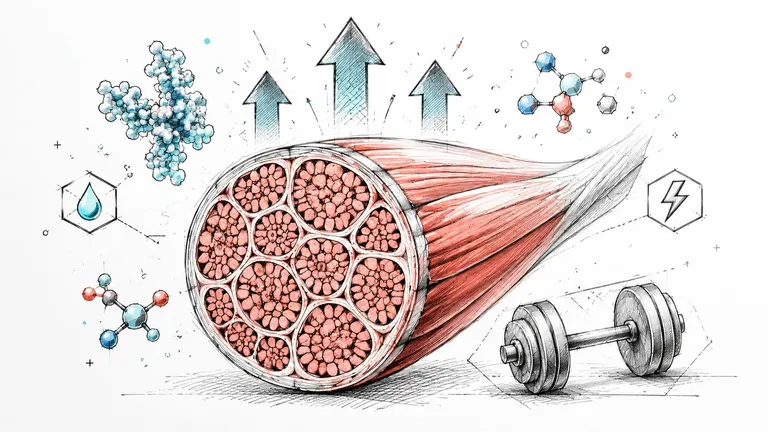
IGF-1 LR3 sits in a different category from “recovery” peptides because the athlete interest here is usually anabolic. Strength athletes use it in growth phases. Jump-sport athletes sometimes discuss it in pursuit of power. Injured athletes may look at it when they’re afraid of losing muscle during reduced training.
That difference matters because the risk profile, anti-doping concern, and need for supervision all rise.
Where it fits
This isn’t a casual option. IGF-related compounds belong to the part of the market where athletes are chasing muscle retention, muscle gain, or faster return to training capacity. The claims are attractive because they line up directly with visible outcomes. More size, better recovery, better training quality.
But the same pattern shows up again. High interest. Limited trustworthy human sports data. Significant legal and testing concerns.
If your goal is muscle gain rather than injury management, this explainer on best peptides for muscle growth helps frame how athletes commonly think about protocol structure, even though a physician still needs to own the medical decision.
Scheduling discipline matters here
With IGF-1 LR3, timing and nutrition become more than convenience issues. Athletes who use it often try to keep dosing windows consistent around training or sleep, and they usually pair that with stable carbohydrate intake and hydration habits. Random timing makes it harder to interpret both benefits and side effects.
A practical setup usually includes:
- One fixed daily window: Pick the same time each day and keep it stable.
- Training log tied to dosing log: Record the session, bodyweight trend, appetite, and perceived recovery beside each dose.
- No improvising with concentration math: Unit conversion errors matter more when compounds are potent and doses are small.
- Planned off-periods: If there isn’t a written stop date, many athletes drift into extended use without a real review point.
Coach’s caution: Potent compounds create false confidence fast. Athletes often blame training when the real problem is poor protocol control.
Among the best peptides for athletes, IGF-1 LR3 is often one of the least appropriate for anyone who isn’t already under close medical oversight and fully aware of anti-doping consequences.
4. GW501516 (Cardarine)
GW501516 gets included in athlete conversations even though it isn’t a peptide. That distinction shouldn’t be glossed over. It’s an oral compound, and endurance athletes usually discuss it because they want better conditioning, more efficient energy use, and a smoother response to hard aerobic work.
Cyclists, distance runners, and CrossFit athletes are the usual crowd. They care less about visible hypertrophy and more about whether long sessions feel more sustainable.
Why endurance athletes talk about it
Its popularity comes from the kind of goal that’s hard to ignore in endurance sport. If a compound is rumored to support work capacity, athletes will talk about it quickly, especially during race builds and conditioning blocks.
The issue is that “talked about” isn’t the same thing as “best.” It also isn’t the same thing as safe, approved, or suitable for tested sport. In a practical ranking, GW501516 belongs in the category of compounds athletes ask about often, but that cautious practitioners should discuss with a heavy emphasis on risk and legality.
For athletes focused on cutting or endurance-related body composition questions, this guide on best peptides for fat loss can help organize the broader field without pretending every marketed compound deserves equal confidence.
How to track an oral protocol
Because it’s oral, athletes often underestimate the need for structure. That’s a mistake. Oral compounds still need precise timing, cycle planning, and symptom tracking.
- Use fixed daily reminders: Morning-only or split-dose schedules should be set in advance.
- Log actual endurance metrics: Session duration, pace stability, and perceived effort tell you more than hype does.
- Watch health markers with a clinician: Oral use doesn’t remove the need for medical supervision.
- Tie it to a training block: If there isn’t a defined start and stop around a real goal, athletes tend to use it vaguely and evaluate it poorly.
A cyclist in a race-prep block might want to compare threshold sessions before and after introducing a protocol. A CrossFit athlete might focus on repeatability across conditioning pieces. Both need objective logging or they’re just chasing expectation effects.
5. GHRP-6 (Growth Hormone Releasing Peptide-6)
GHRP-6 remains popular because it fits a familiar promise. Stimulate natural growth hormone release, support recovery, and improve body composition without jumping straight to exogenous hormone use. Off-season field-sport athletes and older lifters often find that pitch appealing.
It also tends to be discussed in stacks, which adds complexity immediately. Once multiple compounds and multiple daily timing windows are involved, adherence becomes the first practical problem.
Why some athletes still use it
Athletes who choose GHRP-6 usually want one of three things. Better recovery between hard sessions, better sleep and overnight repair, or a body-composition push during a structured phase. In team-sport settings, it often comes up during off-season work when athletes want more adaptation without the public stigma attached to more obvious performance drugs.
The catch is simple. Secretagogue-style compounds still fall into the larger evidence and anti-doping problem surrounding peptide use in sport. They may be discussed as “more natural,” but they aren’t low-stakes.
What careful scheduling looks like
Sloppy use becomes obvious fast. A protocol that calls for multiple injections per day, often timed around meals and training, is exactly the kind of routine people mismanage unless they track it carefully.

- Create separate reminders for each daily dose: Morning, training-adjacent, and evening windows shouldn’t live in your head.
- Track stacks together: If GHRP-6 is paired with another peptide, both schedules need to be visible in one place.
- Log hunger, sleep, and recovery: These are often the first noticeable changes athletes report.
- Review after each cycle: If sleep, performance, or body composition didn’t move meaningfully, extending the protocol rarely fixes the underlying problem.
The athletes who handle these protocols best usually treat them like medication, not like supplements. Exact timing. Exact math. Exact review points.
6. Ipamorelin
Ipamorelin often gets described as the cleaner option in the growth-hormone secretagogue category. That’s why recovery-focused athletes like it. CrossFit competitors, masters athletes, and endurance athletes who want support without feeling overstimulated often put it near the top of their list.
That reputation should still be held loosely. Ipamorelin is one of the compounds specifically discussed in sports-medicine commentary as part of a market with stronger animal data than human proof, and that distinction matters.
The appeal and the limitation
The appeal is easy to understand. Athletes want better recovery and sleep, and they’d prefer fewer side effects and less day-to-day volatility. Ipamorelin is commonly framed as fitting that need.
The limitation is the same one that runs through most of this list. Strong athlete interest doesn’t erase the lack of high-quality human evidence in sport. If you compete in tested sport, anti-doping rules may matter more than any theoretical recovery benefit.
A legal line is worth drawing clearly here. Collagen peptides are described as not prohibited by USADA in this athlete-focused legality overview, while many injectable performance-related peptides fall into prohibited categories. That’s one reason lawful, better-studied connective-tissue support often makes more sense than injectable experimentation.
Building a repeatable routine
Ipamorelin protocols are usually only as good as the athlete’s routine. If injections are supposed to be spaced consistently and coordinated with meals or training, random execution ruins the ability to judge what’s happening.
- Build recurring reminders at the same intervals: Spacing matters when a protocol depends on repeated pulses.
- Track sleep first: Athletes often care about body composition, but sleep quality is usually the first useful signal.
- Keep meals consistent around doses: If meal timing changes daily, feedback gets noisy.
- Plan the break before the first dose: Protocols tend to sprawl when off-ramps aren’t set up in advance.
Athletes usually think they need a better compound. Most need a cleaner routine and a more honest read on recovery debt.
7. AOD-9604 (Amino Oxidase Domain Fragment of Growth Hormone)
AOD-9604 usually enters the conversation during cutting phases. Boxers, MMA athletes, and physique-focused competitors bring it up when they want to tighten body composition without leaning on more overtly anabolic compounds.
That narrower use case makes it easier to place. This isn’t generally the first compound an athlete considers for strength or tissue repair. It’s more often discussed when making weight or trying to preserve a cleaner look in a calorie deficit.
Who usually considers it
Combat athletes are the clearest example. A boxer trying to approach a weight-class target may want every tool to support adherence during a hard cut. A physique athlete may want appetite control and body-composition support while keeping lifting quality acceptable. Team-sport athletes sometimes look at it during pre-season, when conditioning and bodyweight targets collide.
Those are real use scenarios. They still require a cautious frame because marketed fat-loss compounds can create false confidence fast.
How to run it conservatively
If an athlete is using AOD-9604 under medical guidance, conservative structure matters more than chasing rapid change. Cutting phases already create fatigue, appetite disruption, and compromised recovery. Adding a poorly organized protocol on top of that is how mistakes happen.
- Tie it to one defined cutting block: Use a start date and an end date.
- Track bodyweight trends weekly, not obsessively: Daily noise leads athletes to change protocols too quickly.
- Keep protein and lifting essential: The whole point is preserving performance while reducing weight.
- Use app-based logs for adherence: Dosing consistency matters most when calories are low and routine gets harder to maintain.
AOD-9604 tends to appeal to athletes because it sounds selective and targeted. The practical question is whether the athlete’s food, training, and recovery systems are already disciplined enough to justify adding another variable.
8. Melanotan II (MT-II)
Melanotan II is one of the stranger compounds in athlete use because the original interest often isn’t performance in the strict sense. It enters cutting phases because of appetite effects, visual presentation concerns, and body-composition management, especially in physique and some combat-sport settings.
That makes it easy to misuse. Athletes may start it for one reason and then drift into changing dose too quickly because the feedback feels subjective.
Why it shows up in athlete circles
A physique competitor near show prep may prioritize appetite control. A combat athlete deep in a calorie deficit may be tempted by anything that makes adherence easier. Football or combat athletes may also care about how lean they look, even when the stated goal is performance.
A practitioner has to be blunt. Appetite-suppressing compounds can make athletes under-eat protein, under-recover, and confuse scale movement with productive preparation.
Titration is the whole game
Melanotan II is not a compound to handle casually. The athletes who get into trouble with it usually make the same mistake. They jump doses too fast, don’t log appetite changes objectively, and don’t track whether performance is falling while bodyweight drops.
- Start low and document tolerance: Gradual titration is safer than aggressive front-loading.
- Log appetite suppression daily: “Not hungry” sounds useful until training output starts collapsing.
- Protect protein intake deliberately: Appetite loss can diminish total recovery resources.
- Monitor visible changes and stop points: If the athlete doesn’t define what adjustment or discontinuation looks like, the protocol drifts.
For athletes using any injectable in a cutting phase, PepFlow’s reminders, dose logs, and cycle planning are most useful when discipline is lowest, which is usually the end of a hard diet.
Top 8 Peptides for Athletes, Comparison
| Item | Implementation 🔄 | Resources ⚡ | Expected Outcomes 📊⭐ | Ideal Use Cases 💡 | Key Advantages ⭐ |
|---|---|---|---|---|---|
| BPC-157 (Body Protection Compound‑157) | Moderate, daily subQ/IM injections for 4–8 week cycles; localized administration preferred | Low–Moderate, peptide vials, syringes, injection training, dosing logs | Accelerated local tendon/ligament/muscle healing; effects often seen in 4–6 weeks | Focal musculoskeletal injuries; post‑injury rehabilitation for athletes | Localized tissue repair, GI support, well‑tolerated |
| TB‑500 (Thymosin Beta‑4) | Moderate, loading then maintenance; weekly injections with protocol understanding required | Moderate, longer cycles, weekly dosing, cycle tracking | Systemic tissue remodeling and angiogenesis; beneficial for multi‑site recovery | Chronic overuse injuries, multi‑site connective tissue issues, endurance training blocks | Systemic distribution addressing multiple injury sites |
| IGF‑1 LR3 (Insulin‑Like Growth Factor‑1 LR3) | High, daily injections; requires endocrine/nutrition synchronization and careful dosing | High, precise dosing, metabolic monitoring, advanced cycle planning | Strong anabolic muscle synthesis and accelerated recovery; potent but regulated | Bulking phases, strength athletes, preserving muscle during recovery | Powerful anabolic effects with extended half‑life |
| GW501516 (Cardarine) | Low–Moderate, oral dosing once/twice daily; legal/regulatory review advised | Low, pill form, simple dosing, cardiovascular monitoring recommended | Marked improvements in endurance, VO2 max, and fat oxidation | Endurance athletes, cyclists, runners, metabolic conditioning | Oral administration with strong endurance and fat‑oxidation benefits |
| GHRP‑6 (Growth Hormone Releasing Peptide‑6) | High, multiple daily subQ injections (1–3/day); timing around meals/training matters | Moderate, frequent injections, stacking with GHRH common, longer protocols | Stimulates endogenous GH pulses; gradual improvements in recovery and body composition (2–12+ weeks) | Recovery stacks, age‑related GH support, athletes seeking natural GH elevation | Natural GH stimulation, cost‑effective vs exogenous GH |
| Ipamorelin | High, multiple daily injections (2–3/day) with consistent spacing; stackable with CJC‑1295 | Moderate, frequent dosing, monitoring sleep/recovery metrics | Clean GH elevation with minimal cortisol/prolactin; improved recovery and sleep | Athletes seeking GH benefits with low side effects; recovery optimization | Highly selective GH secretagogue; favorable side‑effect profile |
| AOD‑9604 (GH fragment) | Low–Moderate, daily dosing (oral or subQ) during cutting cycles; requires caloric control | Low, flexible administration, diet and training adherence essential | Targeted lipolysis and fat loss while preserving lean mass over 8–12 weeks | Weight‑class athletes, physique competitors during cutting phases | Selective fat‑loss action without strong anabolic effects |
| Melanotan II (MT‑II) | Moderate, daily or every‑other‑day subQ injections with careful titration; monitor pigmentation | Low, injectable routine, skin monitoring, manage nausea/tolerance | Appetite suppression, accelerated fat loss aid, tanning effect visible within ~7–10 days | Cutting phases needing appetite control; competitors wanting cosmetic tanning | Potent appetite suppression and cosmetic tanning; aids adherence to deficits |
The Responsible Athlete’s Final Word
If you strip away the marketing, the best peptides for athletes don’t all deserve equal confidence. Some are famous because they promise fast tissue repair. Others stay popular because they fit a familiar performance dream, more muscle, less fat, faster recovery, better endurance. But popularity isn’t evidence, and in sport that difference matters more than is often willingly conceded.
The most defensible evidence base in this category is still collagen peptides, not injectable research peptides. A 2021 review of bioactive peptides in sports nutrition reported that long-term collagen peptide intake with resistance training improved fat-free mass, maximal strength, tendon morphology, and reactive strength recovery, and noted that about 15 g/day for at least 8 weeks appears beneficial for performance and recovery. That’s a very different standard from the usual injectable peptide discussion. It gives athletes something rare in this space: a studied oral option, a defined dose, and a defined time frame.
That distinction should guide decision-making. If you compete in tested sport, anti-doping rules may make most injectable performance peptides a nonstarter. If you don’t compete in tested sport, the remaining questions are still serious. What is the source? Who is supervising it? What are you trying to fix? Are you measuring outcomes, or just hoping? And is the protocol structured enough that you could tell whether it helped or hurt?
Most athletes don’t need more compounds. They need cleaner training load management, better sleep, enough protein, and an honest review of whether pain, stalled progress, or poor body composition is really coming from a missing peptide. In my view, that’s the right order. Basics first. Better-studied options second. High-claim injectable compounds only if a qualified clinician thinks the context justifies them and the athlete accepts the legal and medical risk.
If a peptide protocol is being used under supervision, precision matters. Small dosing errors, missed reminders, and poorly planned cycles make a gray-area practice even riskier. That’s where a tool like PepFlow can help with the logistical side of dosing math, scheduling, reminders, and adherence logs. It doesn’t make a protocol evidence-based, and it doesn’t replace a clinician. It helps athletes execute the plan they were given with fewer avoidable mistakes.
Responsible use starts with skepticism. It continues with medical oversight, legal awareness, and careful tracking. If those pieces aren’t in place, the smartest move isn’t finding a better peptide. It’s stopping before the first dose.
If you want a simpler way to organize peptide math, timing, cycle planning, and dose logs, PepFlow gives you a lightweight iOS tool for managing structured protocols with more precision and less guesswork.